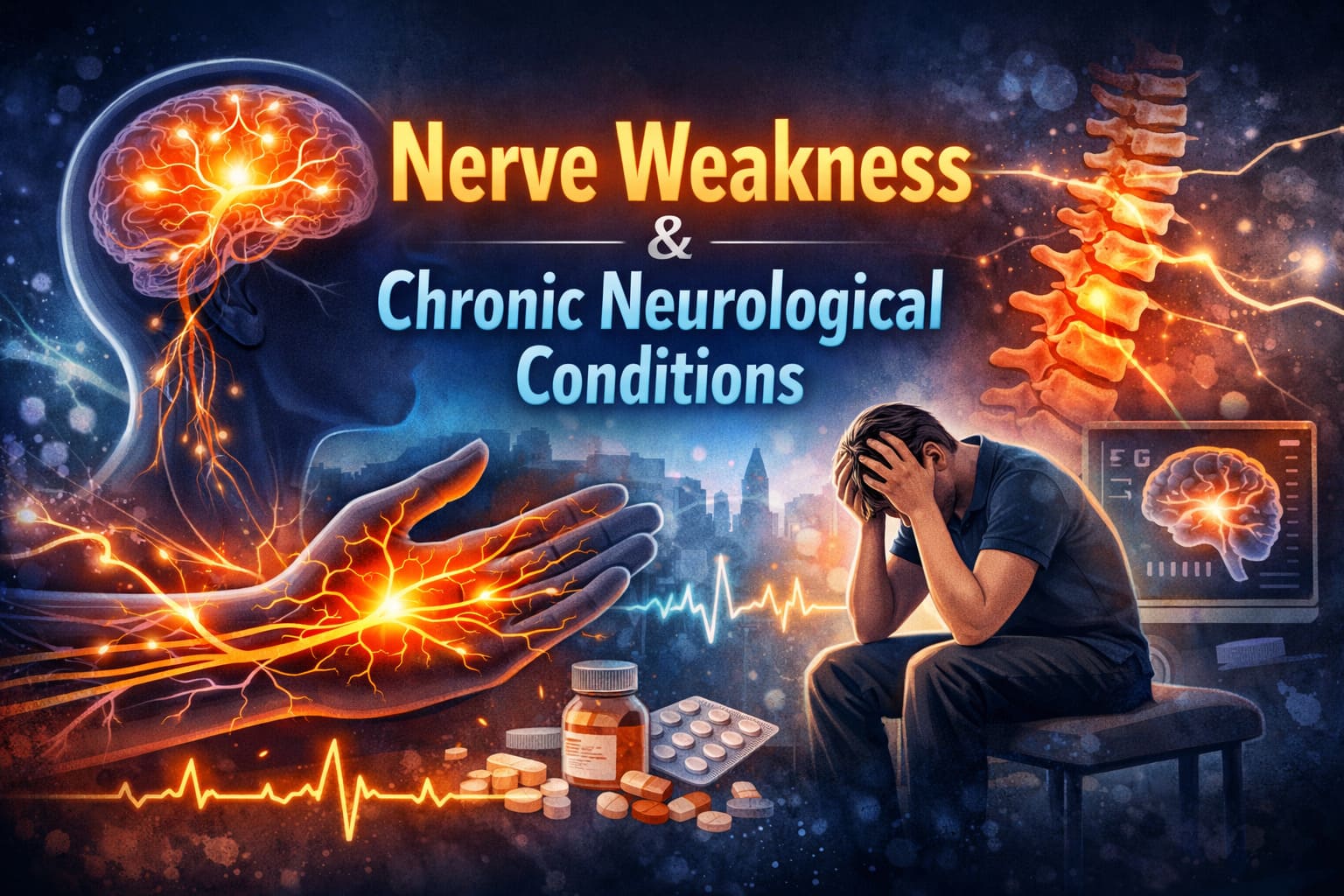
Nerve Weakness & Chronic Neurological Conditions: Signs, Causes, and When to Seek Help
Nerve weakness and chronic neurological conditions can quietly disrupt daily life—often starting with subtle symptoms that are easy to ignore. A slight tingling in the fingers, unexplained fatigue, or weakness in one limb may not seem alarming at first. However, when left unaddressed, these signs can progress into serious neurological disorders affecting movement, sensation, speech, and overall quality of life.
Understanding nerve weakness, its underlying causes, and knowing when to seek medical attention can make a critical difference. Early diagnosis and expert care often prevent long-term complications and improve outcomes significantly.
In this article, we’ll explore the common symptoms, causes, diagnosis, and treatment options for nerve weakness and chronic neurological conditions—guided by real-world examples and clinical insights.
What Is Nerve Weakness?
Nerve weakness occurs when the nerves fail to transmit signals effectively between the brain, spinal cord, and muscles. This communication breakdown can result in reduced strength, numbness, coordination problems, or loss of sensation.
Nerve weakness may be:
- Temporary (due to injury or inflammation)
- Progressive (worsening over time)
- Chronic (lasting months or years)
It can affect:
- Peripheral nerves (hands, feet, limbs)
- Cranial nerves (face, vision, speech)
- Central nervous system (brain and spinal cord)
👉 Learn more about how the nervous system works in our guide on Understanding the Brain and Spine
Early Signs and Symptoms of Nerve Weakness
Recognizing symptoms early is essential. Many patients delay care because symptoms start mildly.
Common Symptoms Include:
- Persistent tingling or numbness
- Muscle weakness or heaviness
- Loss of balance or frequent falls
- Burning or electric shock-like pain
- Muscle cramps or twitching
- Difficulty holding objects
- Slurred speech or facial drooping
- Reduced reflexes
Example:
A middle-aged office worker noticed numbness in his feet that worsened at night. Initially dismissed as fatigue, it was later diagnosed as peripheral neuropathy related to uncontrolled diabetes.
Chronic Neurological Conditions Linked to Nerve Weakness
Several long-term neurological disorders present with nerve weakness as a primary symptom.
1. Peripheral Neuropathy
Damage to peripheral nerves causing numbness, pain, and weakness—often starting in the feet or hands.
Common causes:
- Diabetes
- Vitamin deficiencies
- Alcohol abuse
- Infections
👉 Related read: Peripheral Neuropathy: Causes and Treatment Options
2. Stroke
A stroke disrupts blood flow to the brain, leading to sudden weakness—often on one side of the body.
Warning signs:
- Facial drooping
- Arm weakness
- Speech difficulty
⏱ Stroke is a medical emergency—early treatment saves brain cells.
3. Multiple Sclerosis (MS)
An autoimmune condition where the immune system attacks nerve coverings, leading to muscle weakness, vision issues, and fatigue.
4. Parkinson’s Disease
A progressive disorder affecting movement, muscle stiffness, tremors, and balance.
5. Motor Neuron Disease (MND)
A rare but serious condition affecting nerve cells that control voluntary muscles.
6. Cervical & Lumbar Spine Disorders
Compressed nerves due to disc prolapse or spinal degeneration can cause weakness in arms or legs.
What Causes Nerve Weakness?
Nerve weakness can stem from multiple factors, often working together.
Major Causes Include:
- Diabetes mellitus
- Vitamin B12 deficiency
- Infections (herpes, HIV)
- Autoimmune diseases
- Brain or spinal tumors
- Trauma or accidents
- Prolonged nerve compression
- Genetic neurological disorders
- Toxic exposure (alcohol, chemicals)
When Should You See a Neurologist?
Many neurological conditions respond best to early intervention. Delaying evaluation can result in permanent nerve damage.
Seek immediate medical help if you experience:
- Sudden weakness in face, arm, or leg
- Rapidly worsening numbness
- Difficulty speaking or swallowing
- Loss of bladder or bowel control
- Severe headache with neurological symptoms
You should schedule a neurology consultation if:
- Weakness lasts more than 2 weeks
- Symptoms interfere with daily activities
- Pain or numbness worsens at night
- Balance issues increase
How Are Neurological Conditions Diagnosed?
Accurate diagnosis requires a detailed clinical evaluation and advanced testing.
Diagnostic Tools May Include:
- Detailed neurological examination
- Blood tests (vitamins, infections)
- MRI brain and spine
- Nerve conduction studies (NCS)
- Electromyography (EMG)
- CT scans
- Lumbar puncture (in select cases)
Each test helps pinpoint the exact cause and location of nerve damage.
Treatment Options for Nerve Weakness
Treatment depends on the underlying cause and severity of the condition.
Common Treatment Approaches:
- Medication to control pain, inflammation, or disease progression
- Vitamin supplementation (B12, D)
- Physiotherapy and rehabilitation
- Lifestyle modifications
- Disease-specific treatments (e.g., MS, Parkinson’s)
- Surgical intervention (when nerve compression is severe)
Real-World Example:
A patient with cervical disc compression experienced arm weakness. With timely MRI diagnosis and a combination of medication and physiotherapy, surgery was avoided and strength improved significantly.
Can Nerve Weakness Be Prevented?
While not all neurological conditions are preventable, risk can be reduced.
Prevention Tips:
- Control blood sugar levels
- Maintain a balanced diet rich in vitamins
- Exercise regularly
- Avoid excessive alcohol
- Treat infections promptly
- Manage blood pressure and cholesterol
- Do not ignore early neurological symptoms
Why Choose Expert Neurological Care?
Chronic neurological conditions require experience, precision, and personalized care. Early diagnosis by a specialist significantly improves outcomes and quality of life.
Dr. Kalakoti Chandra Sekhar Reddy offers comprehensive evaluation and evidence-based management for a wide range of neurological disorders, using advanced diagnostics and patient-centric treatment plans.
Conclusion: Don’t Ignore the Warning Signs
Nerve weakness and chronic neurological conditions often start quietly—but their impact can be profound if left untreated. Paying attention to early symptoms, understanding risk factors, and seeking timely neurological care can prevent long-term disability.
If you or a loved one are experiencing unexplained weakness, numbness, or neurological symptoms, early consultation is key.