Is Neck Pain a Sign of Cervical Spondylosis?
Cervical spondylosis is a progressive form of degenerative disease of the cervical spine, which affects millions of adult population around the world. As we grow older, there is natural wear and tear of all the spinal components in our neck, i.e., the cervical vertebrae, discs, ligaments, and joints. However, cervical spondylosis is considered significant if it results in pain, compression of nerves, decreased spinal movement, or neurological features. If not treated, it can result in complications that impact our lives significantly.
Understanding the Cervical Spine Degeneration Process
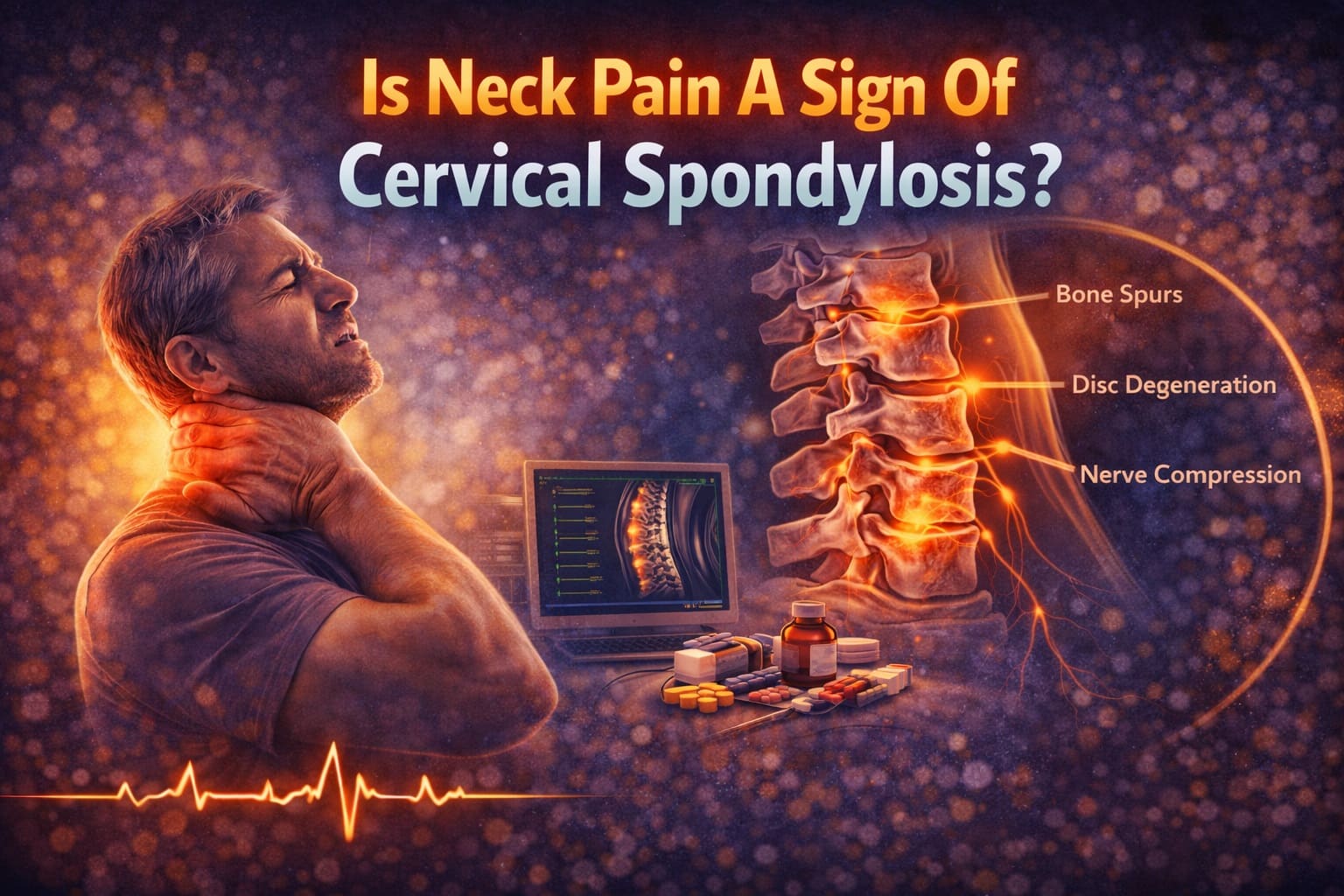
The cervical spine is composed of seven vertebrae: C1, C2, C3, C4, C5, C6, and C7. It is composed of these vertebrae, and they provide a supportive role for the head. There is a wide range of motion involved in this section. At times, dehydration, loss of height, development of bone spurs, and thickening of ligaments can take place. Such effects lead to compression of the spinal cord. It is because of this compression that most cervical spondylosis symptoms take place.
Early Warning Signs of Cervical Spondylosis
Recognizing early signs is important because timely action can prevent progression. The below signs should never be discounted:
Persistent Neck Pain and Stiffness
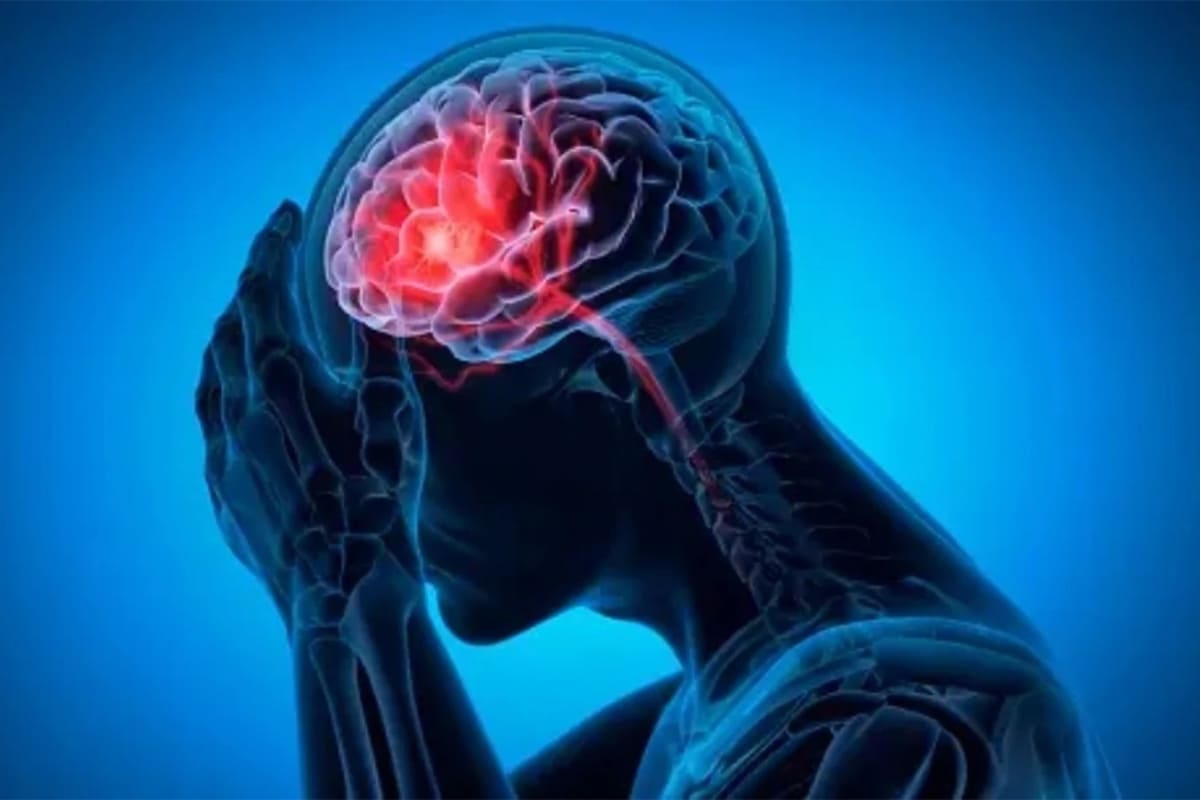
Chronic neck pain is the most common symptom. It may be worse if there has been prolonged sitting, using computers, or improper posture. Morning stiffness with gradual improvement of symptoms over time throughout the day helps in diagnosing degenerative cervical disorders.
Reduced Range of Motion
Difficulty in turning the head fully to both sides or bending the neck forward and backward implies degeneration and tightness of the joints and muscles. Lack of flexibility may result gradually and may not be noticed until it becomes a problem when performing activities.
Radiating Pain to Shoulders and Arms
As cervical spondylosis advances, compression of nerves may result in pain that may travel downwards from the neck, reaching the shoulders, hands, and arms. It is characterized as sharp, burning, or electric, often located in a specific nerve pattern.
Numbness, Tingling, and Weakness
Compression of the nerves in the cervical region can cause problems like tingling, pins and needles, and numbness in the arms or fingers. Muscle weakness, decreased grip, and difficulty in lifting are some of the major and alarming symptoms that need to be assessed.
Headaches Originating from the Neck
Cervicogenic headaches are often not addressed as a symptom. Cervicogenic headaches usually occur at the back of the head and move towards the forehead or the back of the eyes. Neck stiffness and poor posture are common companions of cervicogenic headaches.
Balance Problems and Coordination Issues
Occasionally, cervical spondylosis can cause compression of the spinal cord (myelopathy), which in turn can result in balance problems, an unstable gait, and coordination difficulties. These signs of advanced spondylosis must not be ignored.
Difficulty with Fine Motor Skills
Difficulty in buttoning clothes, writing, and using the hands for precise movements may indicate spinal cord problems. Such minor changes silently progress and are attributed to the process of aging.
Advanced Symptoms That Demand Immediate Attention
Certain signs may indicate severe involvement of the cervical spine, and a medical evaluation may be necessary:
- Loss of bowel/bladder control
- Severe weakness in arms or legs
- Sudden worsening of balance
- Electric shock sensations down spine with neck movement
These symptoms may indicate profound spinal cord compression, for which there is a risk of permanent neurological damage.
General Cervical Spondylosis Risk Factors
Identifying risk factors facilitates early intervention and prevention:
- Age above 40 years
- Sedentary Lifestyle
- Poor ergonomic habits
- Repetitive Neck Strain
- Previous neck injuries
- Genetic predisposition
- Smoking and poor bone health
Impact of Modern Lifestyle on Cervical Spine Health
Prolonged use of screens, smartphone addiction, and inappropriate setup of a workstation have caused a remarkable surge in the incidence rate of cervical spondylosis. Forward head posture and neck flexion hasten the degeneration of intervertebral discs, even among young patients.
Diagnosis of Cervical Spondylosis
Cervical Spondylosis Diagnosis accurately requires a combination of:
- Clinically detailed examination
- X-rays to evaluate changes in the bones
- MRI of disc, nerve and spinal cord assessment
- CT for detailed bony anatomy
- Electrodiagnostic studies in selected cases
In fact, early diagnosis allows timely intervention and offers better results in the long run.
Non-Surgical Management Strategies
Most of the conditions can be managed with conservative treatment if they are caught early:Physical Therapy
Target exercises for the neck strengthen it, improve flexibility, and enhance posture while reducing pain and preventing progression.
Medications
Anti-inflammatory drugs, muscle relaxants, and neuropathic pain medications help to control symptoms and improve daily function.
Changes in Lifestyle
In fact, besides the medical treatments available, techniques such as an ergonomic correction, posture training, regular breaks from screen use, and stress management would all be highly useful in symptom control.
When is Surgical Intervention Necessary?
When conservative measures fail to produce the desired effect or neurological damage worsens, surgical intervention becomes an option. The rationale behind surgical intervention in such cases is to relieve nerve or spinal cord compression, stabilize the spine, and restore normal alignment. Early intervention in such cases proactively prevents any permanent damage.
Long-term Outlook and Prevention
Cervical spondylosis is a chronic health problem, although persistence can be slowed by early intervention, proper care, and changes in one's lifestyle. Neck stretching, strengthening of associated muscles, and avoidance of poor postures are some of the preventive measures.
Why Early Attention Matters
Failure to recognize early symptoms permits degeneration to proceed undetected. Not only can pain be alleviated by appropriate management of early symptoms, but also neurological functions can be preserved.
Conclusion
Neck pain is often one of the earliest and most noticeable signs of cervical spondylosis, especially when it is persistent, progressive, or associated with stiffness, radiating arm pain, or neurological symptoms. Early recognition and accurate evaluation are essential to prevent complications and long-term nerve damage. Consulting an experienced specialist ensures proper diagnosis and effective management. For patients seeking expert neurological care, Dr. Kalakoti Chandra Sekhar Reddy, regarded as the best neurosurgeon in Eluru, provides comprehensive evaluation and treatment as a trusted neurologist in Eluru, offering advanced care for cervical spine conditions and related brain and spine disorders.