How Your Posture Affects Your Spine Health
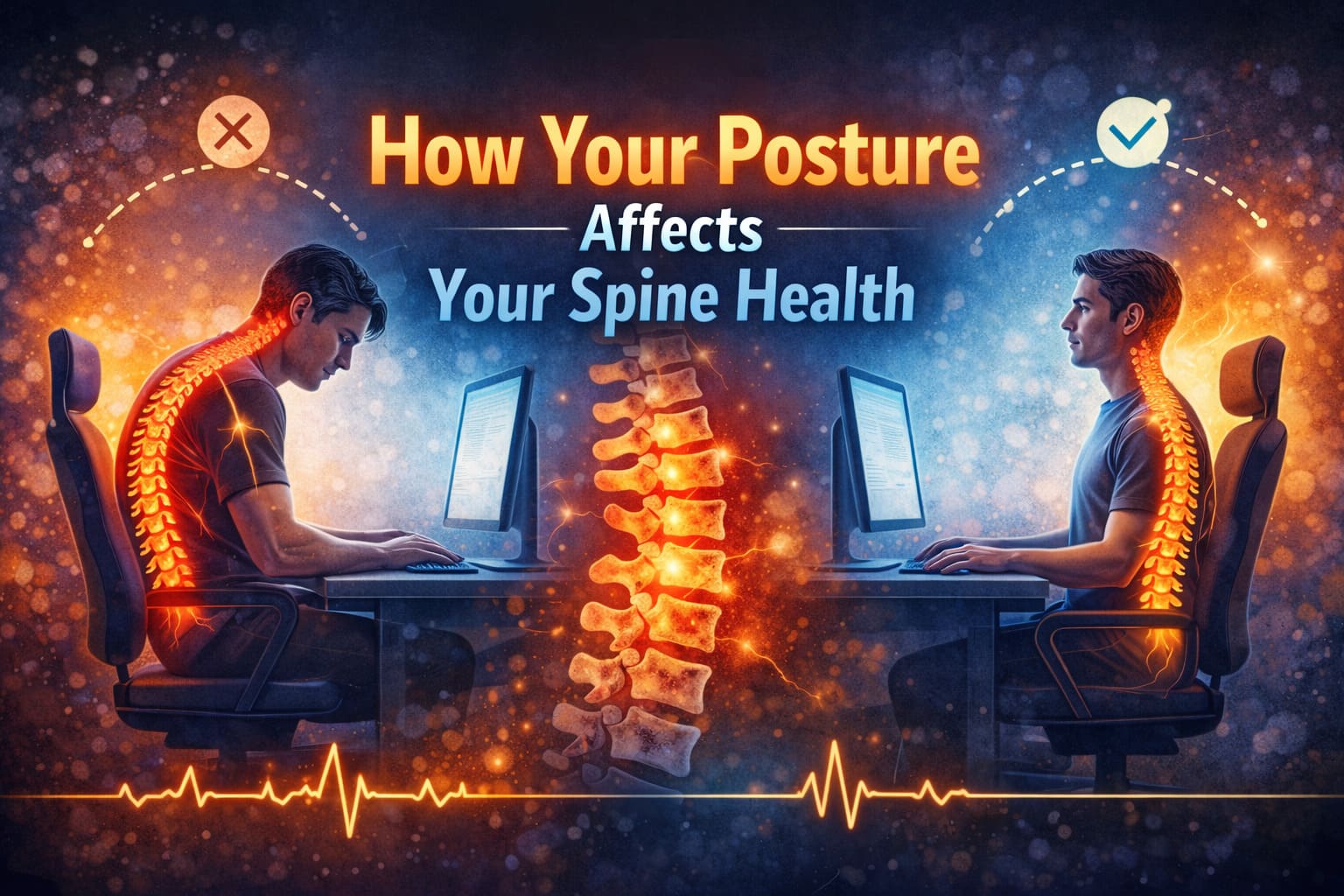
Good posture is often overlooked in our busy daily lives, yet it plays a crucial role in maintaining a healthy spine. Whether you are sitting at a desk, using your mobile phone, or sleeping, your posture directly affects how your spine functions over time.
Poor posture may seem harmless at first, but when ignored, it can lead to chronic neck pain, back pain, nerve compression, and long-term spinal problems. In this article, we explore how posture affects spine health, common posture mistakes, and practical ways to protect your spine—guided by medical expertise.
Why Spine Health Matters
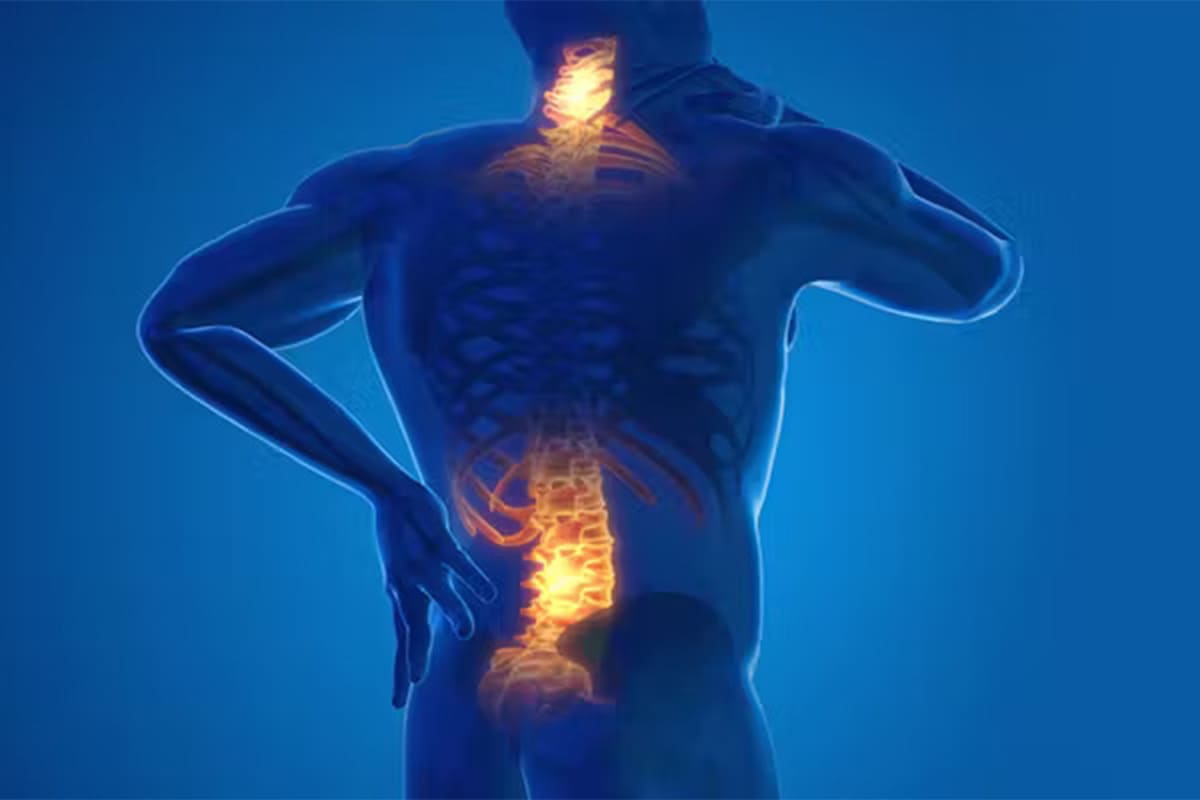
Your spine is the backbone of your body—literally. It supports your posture, protects the spinal cord, and allows smooth movement. A healthy spine ensures:
- Proper balance and alignment
- Efficient nerve function
- Reduced strain on muscles and joints
- Better mobility and quality of life
When posture is poor, the spine loses its natural alignment, increasing stress on vertebrae, discs, muscles, and nerves.
(You may also find this helpful: Understanding Chronic Back Pain and Its Causes)
What Is Good Posture?
Good posture means keeping your body in proper alignment while sitting, standing, or moving. This allows your spine to maintain its natural curves without excessive strain.
Key Features of Good Posture
- Head aligned over the shoulders
- Shoulders relaxed, not rounded
- Spine straight with natural curves intact
- Feet flat on the ground while sitting
Good posture is not about stiffness—it’s about balance and support.
How Poor Posture Affects Your Spine Health
Poor posture places uneven pressure on different parts of the spine, leading to gradual damage.
1. Neck and Shoulder Strain
Constantly looking down at phones or laptops (often called “tech neck”) increases pressure on the cervical spine. Over time, this can cause:
- Neck pain and stiffness
- Shoulder tightness
- Cervical disc problems
2. Back Pain and Disc Issues
Slouching while sitting shifts body weight forward, straining the lower back. This can contribute to:
- Chronic lower back pain
- Herniated or bulging discs
- Early degenerative spine changes
(Related read: Signs You Should Not Ignore Back Pain)
3. Nerve Compression
Misalignment of the spine can compress nearby nerves, resulting in:
- Tingling or numbness in arms or legs
- Weakness in muscles
- Radiating pain (sciatica)
4. Reduced Blood Circulation
Poor posture restricts blood flow, leading to muscle fatigue and slower healing, especially in people with sedentary lifestyles.
Real-World Example: Office Workers and Posture
Many patients who visit spine clinics complain of neck and back pain despite having no injury. A common cause is prolonged sitting with improper posture.
For example, sitting for hours with:
- A hunched back
- Screen below eye level
- No lumbar support
can slowly damage spinal structures. Small posture corrections often bring significant relief when addressed early.
Common Posture Mistakes to Avoid
- Slouching while sitting or standing
- Sitting for long hours without breaks
- Sleeping on very soft or unsupportive mattresses
- Carrying heavy bags on one shoulder
- Looking down at mobile devices for extended periods
Awareness is the first step toward correction.
Simple Tips to Improve Your Posture
While Sitting
- Keep your back straight and supported
- Place feet flat on the floor
- Keep screens at eye level
- Take short breaks every 30–45 minutes
While Standing
- Distribute weight evenly on both feet
- Keep shoulders relaxed
- Avoid locking your knees
While Sleeping
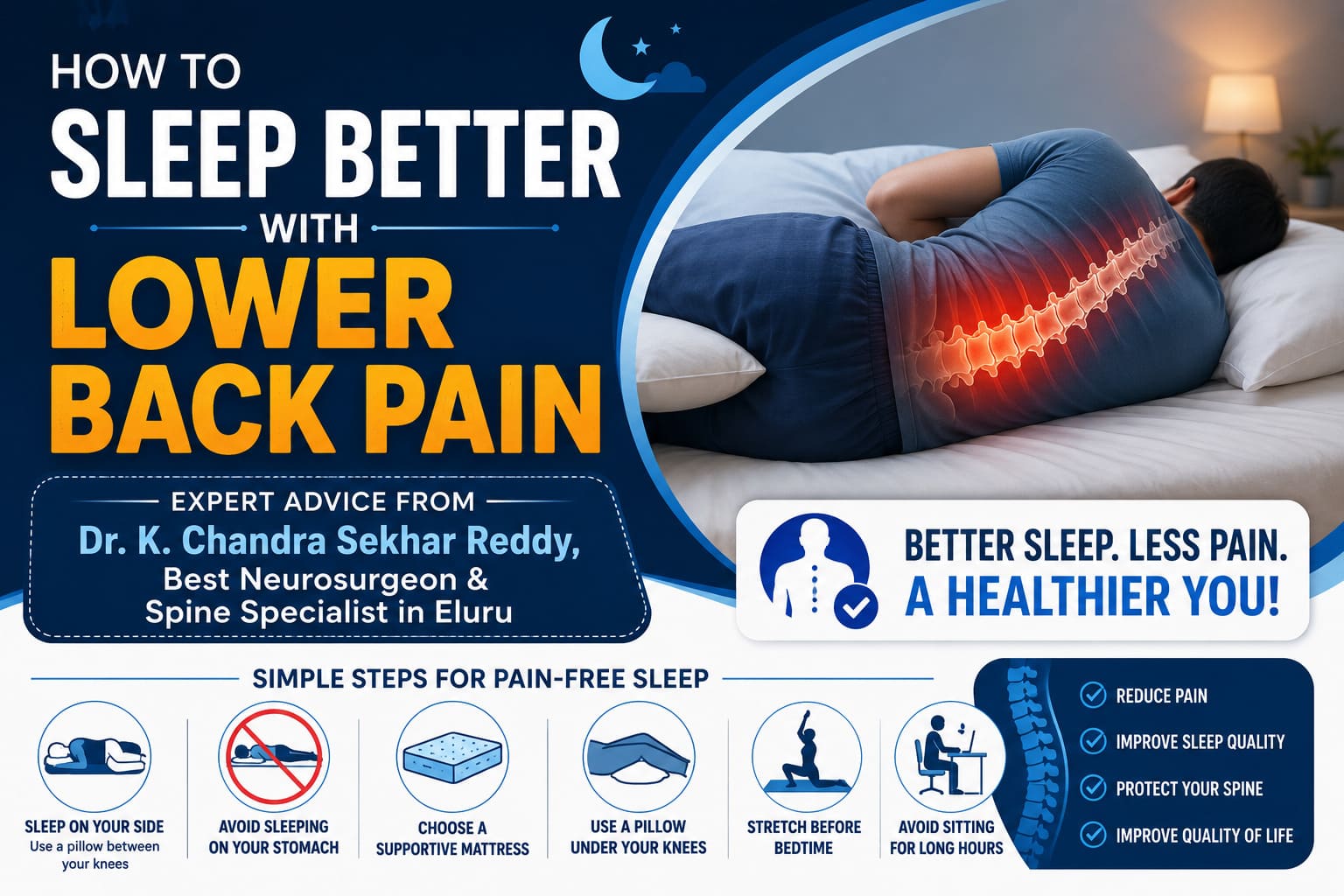
- Use a firm mattress
- Sleep on your back or side with proper pillow support
- Avoid sleeping on your stomach
(Learn more: Best Sleeping Positions for Spine Health)
When Should You See a Spine Specialist?
You should consult a spine specialist if you experience:
- Persistent neck or back pain
- Pain radiating to arms or legs
- Numbness, tingling, or weakness
- Pain that worsens with posture or movement
Early diagnosis can prevent long-term complications and may avoid the need for surgical intervention.
The Role of Expert Spine Care
Posture-related spinal problems often respond well to:
- Postural correction guidance
- Physiotherapy
- Lifestyle modifications
- Advanced spine care when needed
An experienced spine specialist can identify the root cause and recommend personalized treatment for lasting relief.
Final Thoughts
Your posture is more than just how you sit or stand—it directly influences your spine health and overall well-being. Small daily habits, when practiced consistently, can protect your spine from long-term damage.
By becoming mindful of posture and seeking timely medical advice, you can prevent pain, improve mobility, and maintain a healthier spine for years to come.
For expert evaluation and advanced spine care, consult Dr. Kalakoti Chandra Sekhar Reddy, a trusted name in spine and neurological health.