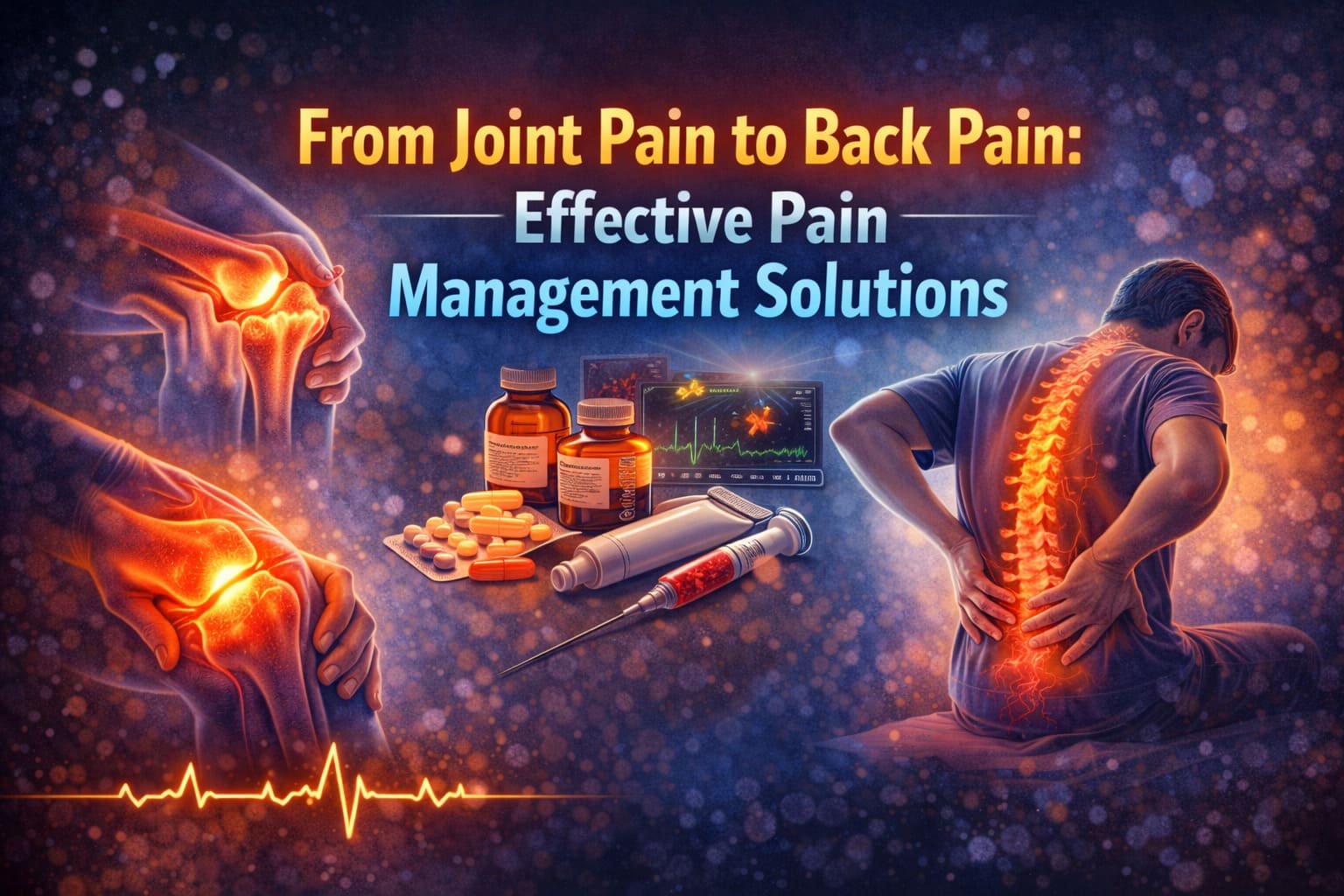
From Joint Pain to Back Pain: Effective Pain Management Solutions
Pain—whether in the joints or the back—can significantly impact daily life. Simple activities like walking, sitting, or even sleeping may become uncomfortable when pain persists. While occasional aches are common, chronic joint pain and back pain should never be ignored.
Understanding the causes of pain and knowing the right treatment options can help patients regain mobility and improve quality of life. In this article, we explore effective pain management solutions for joint and back pain, using a holistic and patient-centered approach.
Understanding Joint Pain and Back Pain
What Is Joint Pain?
Joint pain refers to discomfort, stiffness, or inflammation in areas where two bones meet—such as the knees, hips, shoulders, or hands.
Common causes include:
- Osteoarthritis
- Rheumatoid arthritis
- Injury or overuse
- Age-related wear and tear
(Related read: Early Signs of Arthritis You Should Not Ignore)
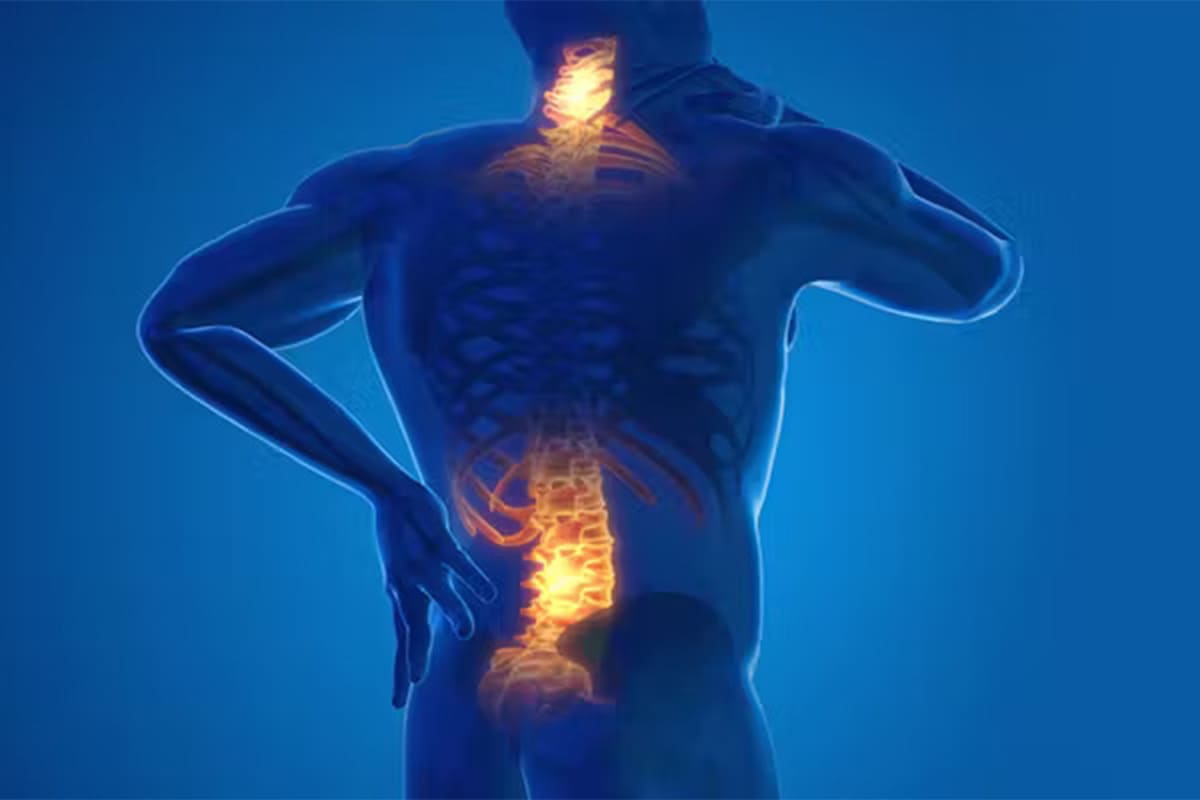
What Is Back Pain?
Back pain can affect the upper, middle, or lower back and may range from mild discomfort to severe, disabling pain.
Common causes include:
- Poor posture
- Muscle strain
- Disc herniation
- Nerve compression
- Degenerative spine conditions
(You may also like: Common Causes of Chronic Back Pain)
Why Pain Should Not Be Ignored
Ignoring persistent pain can lead to:
- Reduced mobility
- Muscle weakness
- Nerve damage
- Emotional stress and poor sleep
- Dependency on pain medications
Early diagnosis allows for timely treatment and prevents long-term complications.
Effective Pain Management Solutions
Modern pain management focuses on treating the root cause, not just masking symptoms.
1. Lifestyle Modifications
Simple daily changes can significantly reduce pain.
Helpful habits include:
- Maintaining proper posture
- Regular low-impact exercise
- Weight management
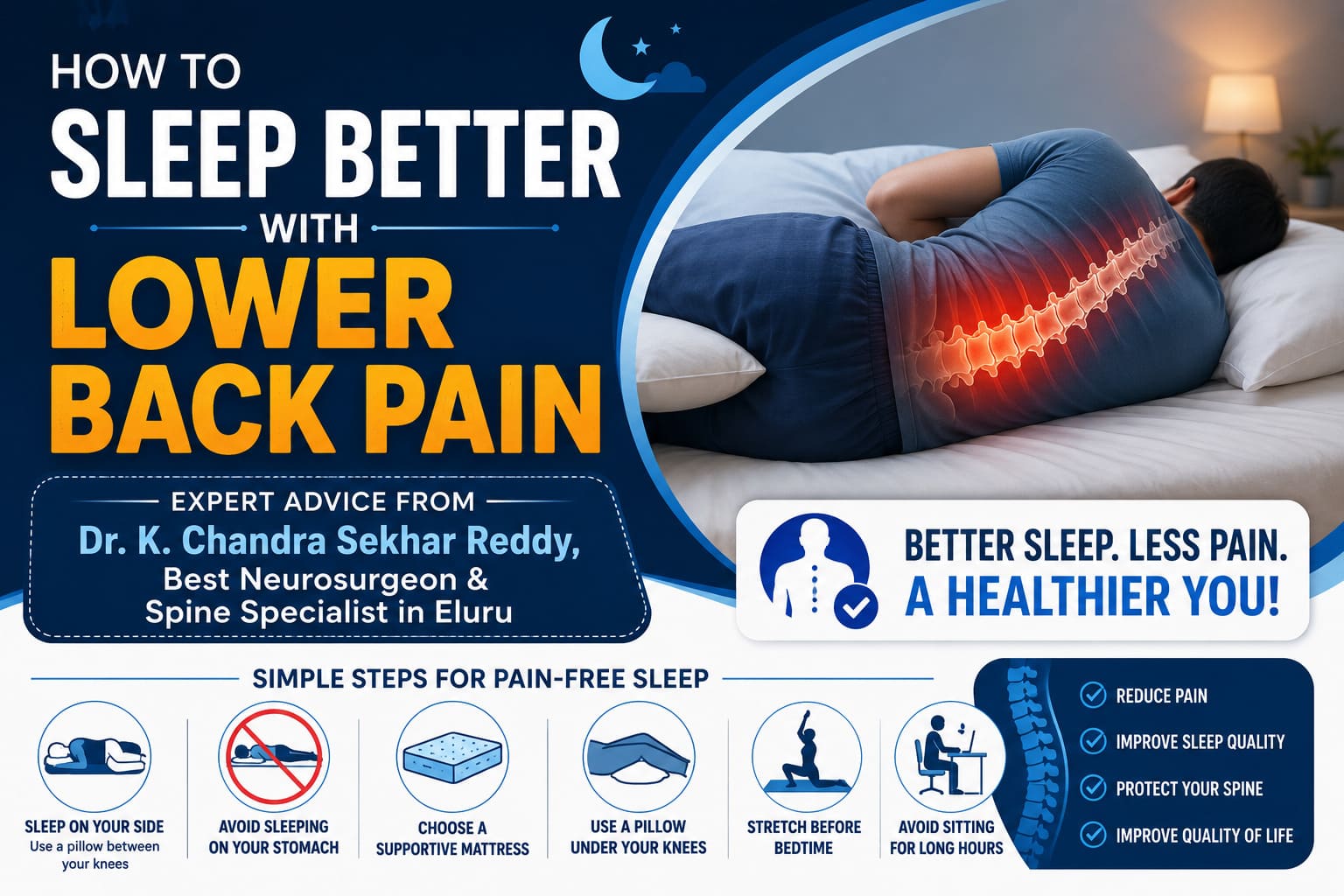
- Adequate rest and sleep
Real-world example:
Patients with knee and lower back pain often experience relief by losing excess weight, which reduces pressure on joints and the spine.
2. Physiotherapy and Rehabilitation
Physiotherapy plays a key role in managing both joint and back pain.
Benefits include:
- Strengthening muscles
- Improving flexibility
- Correcting posture
- Reducing stiffness and pain
Tailored exercise programs help restore function and prevent recurrence.
3. Medications for Pain Relief
Medications may be used for short-term relief, including:
- Anti-inflammatory drugs
- Muscle relaxants
- Nerve pain medications
⚠️ Long-term use without medical supervision is not recommended.
4. Minimally Invasive Pain Management Procedures
When conservative treatments fail, advanced procedures may help.
Options include:
- Nerve blocks
- Epidural injections
- Joint injections
- Radiofrequency ablation
These treatments target pain at its source and often provide longer-lasting relief.
(Learn more: Minimally Invasive Treatments for Spine Pain)
5. Advanced Spine and Joint Care
For patients with structural problems such as disc herniation or severe arthritis, advanced interventions may be required.
Treatment may involve:
- Image-guided procedures
- Endoscopic spine techniques
- Surgical intervention (when necessary)
Early expert consultation can often prevent the need for major surgery.
When Should You See a Specialist?
Consult a spine or pain specialist if you experience:
- Pain lasting more than two weeks
- Pain radiating to arms or legs
- Numbness or weakness
- Difficulty walking or standing
- Pain affecting sleep or daily activities
Prompt evaluation ensures accurate diagnosis and effective treatment.
Importance of a Personalized Pain Management Plan
No two patients experience pain in the same way. A personalized pain management plan considers:
- Type and severity of pain
- Patient’s age and lifestyle
- Underlying medical conditions
- Long-term goals
This holistic approach delivers better outcomes and long-lasting relief.
Final Thoughts
Joint pain and back pain may start as minor discomfort but can progress into chronic conditions if ignored. The good news is that effective pain management solutions are available, ranging from lifestyle changes and physiotherapy to advanced medical and minimally invasive treatments.
With timely intervention and expert care, patients can regain mobility, reduce pain, and return to an active, fulfilling life.
For comprehensive evaluation and advanced pain management, consult Dr. Kalakoti Chandra Sekhar Reddy, a trusted expert in spine, neurological, and pain care.